



When you start an Audi, the engine should run smoothly and consistently. If you feel shaking, hesitation, or hear unfamiliar noises instead, it can be a sign of an engine misfire. Misfires should never be ignored because they can lead to significant engine damage and costly repairs.
At Massimo Motorworks, our technicians recommend these four steps you can take when your Audi begins to misfire.
1. Recognize the Symptoms and Respond Safely
Identify the early warning signs so you can address the issue before it progresses. Common misfire symptoms include:
- Rough idle with excessive shaking or vibration
- Hesitation when accelerating
- Stuttering or jerking under load
- Check engine light illumination
- A fuel smell from unburned fuel entering the exhaust
- Knocking or tapping noises from the engine
If you notice these symptoms, reduce speed, pull over safely, turn off accessories, and call a professional or roadside assistance. Continuing to drive with a misfire can damage the engine, catalytic converter, and ignition components.
2. Get a Diagnostic Scan With an OBD-II or VCDS Tool
Modern Audi engines use advanced electronic controls and onboard diagnostic systems. A scan with Audi-specific tools such as VCDS provides accurate information about the fault.
A professional technician will:
- Retrieve fault codes
- Review sensor data and live readings
- Identify which cylinder or system is misfiring
Common Audi misfire codes include P0301, P0302, and P0303. These indicate misfires in cylinders one, two, or three.
3. Pinpoint the Cause of the Misfire
Once the diagnostic scan is complete, further tests identify the exact component responsible. Common causes include:
Spark Plugs
Spark plugs can wear out, become fouled, or have incorrect gaps. A physical inspection confirms damage. Replacement should always be done with OEM parts matched to the Audi model.
Ignition Coils
A weak or worn ignition coil can trigger a misfire. A swap test helps confirm the faulty coil. Coils are often replaced in sets to maintain consistent performance.
Fuel Injectors
Clogged or malfunctioning injectors limit fuel delivery, causing misfires. A fuel pressure test confirms the issue, and cleaning or replacing the injector resolves it.
Vacuum Leaks
Cracked vacuum lines or intake leaks allow unmetered air into the engine. A smoke test identifies the leak so the affected hose or component can be replaced.
Sensors (MAF, O2, Crankshaft Position)
A faulty sensor can send incorrect data to the engine control unit, causing incorrect fuel and air balance. Live data analysis helps pinpoint the failing sensor.
4. Complete the Necessary Repairs
After identifying the source of the misfire, the faulty components should be repaired or replaced promptly. Misfires require accurate diagnostics, proper tools, and safe repair procedures, so it is not recommended as a DIY fix. Professional repair ensures the issue is corrected completely and prevents further damage to the engine.
Preventive Maintenance Measures
Preventing misfires is often easier than repairing them. Audi owners can reduce the risk by:
- Following the manufacturer’s recommended service intervals
- Using high-quality fuel to reduce carbon buildup
- Adding fuel system cleaners at appropriate intervals
- Scheduling carbon cleaning every 60,000 to 80,000 miles for direct-injection models
- Paying attention to changes in engine sound, idle quality, or overall drivability
Misfire Repair at Massimo Motorworks in Long Branch
If your Audi is showing signs of a misfire, 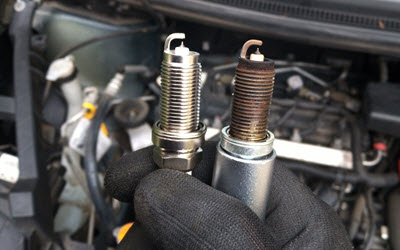 visit Massimo Motorworks for a thorough diagnosis and repair. We are the trusted European auto repair shop in Long Branch and Shrewsbury, New Jersey, providing comprehensive services that include diagnostics, repair, routine maintenance, and pre-purchase inspections.
We work on a full range of European and exotic brands, including Audi, BMW, Mercedes-Benz, Alfa Romeo, Ferrari, Maserati, Land Rover, Volkswagen, Porsche, Lamborghini, Volvo, Jaguar, Fiat, Lotus, Renault, Peugeot, and others.
Our technicians are experienced and supported by advanced diagnostic software, licensed tools, and the guidance of our master-certified owner. We proudly serve drivers in Long Branch, Shrewsbury, and neighboring communities throughout New Jersey.